
Quick Summary:
As Search Engine Marketers, our role is to understand what users are searching for and provide the most relevant, accurate, and helpful answers through optimized digital content. This involves researching search intent, creating high-quality content, improving website visibility through SEO, and ensuring information is easily accessible across search engines. By aligning content with user needs and search behavior, marketers help connect audiences with the solutions, information, or services they are looking for online.
Google’s daily searches are estimated at 14–16.4 billion, based on its disclosure that it processes over 5 trillion searches per year. Whether someone is looking for a local service, researching a product, or seeking expert advice, they all share one common goal: finding the best answer to their question.
For instance, one could be asking, “Who is the best funeral director in Perth?”, or “Who should I hire as an electrician in Five Dock, NSW?”
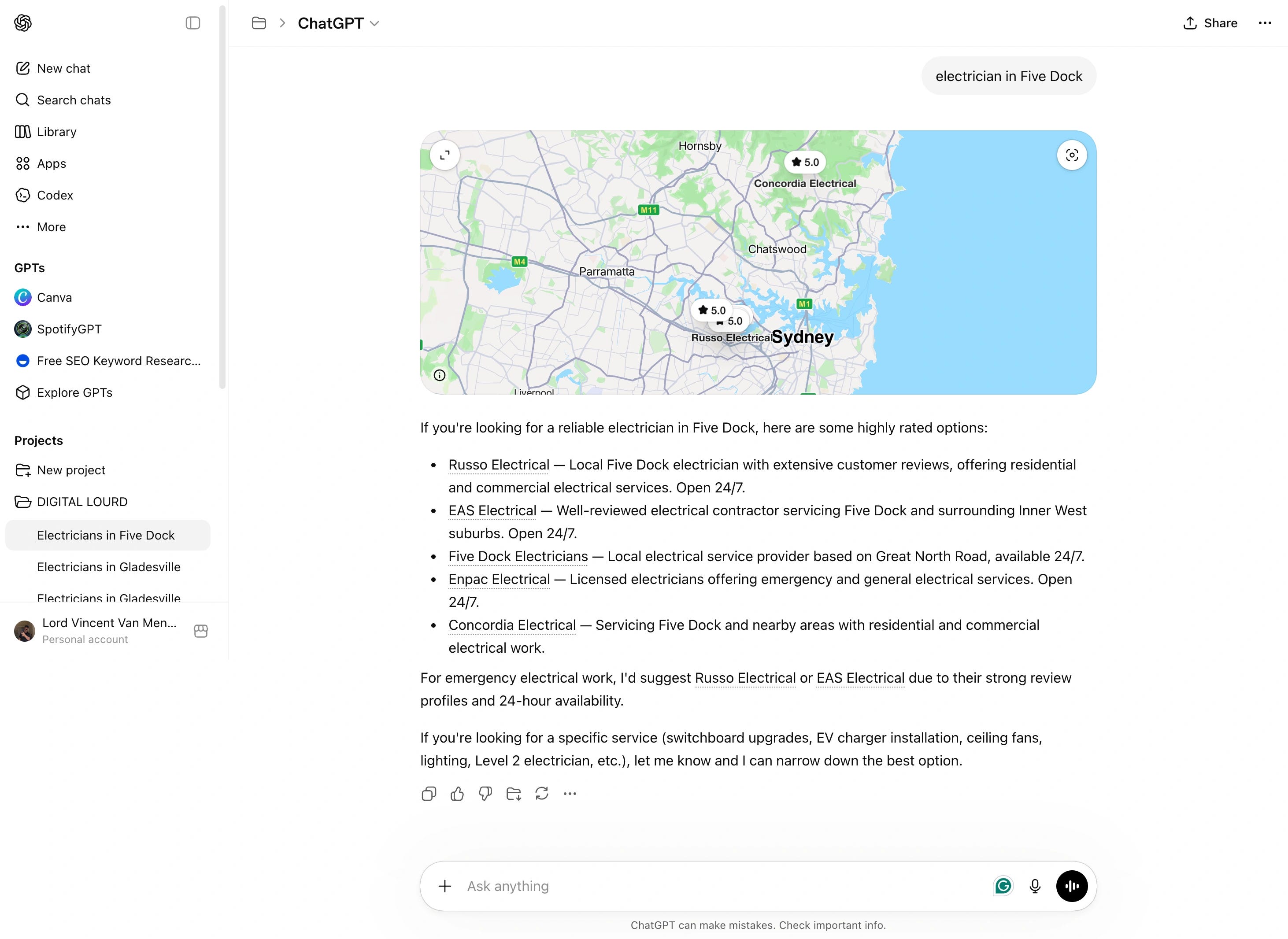
Ways to Provide Answers to Online Queries
As Search Engine Marketers (SEMs), our responsibility goes beyond ranking websites. Our primary role is to connect users with relevant, accurate, and valuable information that satisfies their search intent. In today’s evolving digital landscape, especially with the rise of artificial intelligence and conversational search, providing the right answers has become more important than ever.
Understanding Search Intent
The foundation of successful search engine marketing lies in understanding why users are searching.
Search intent generally falls into four categories:
Informational Intent – Users seek knowledge or answers.
Navigational Intent – Users want to find a specific website or brand.
Commercial Intent – Users are researching products or services before making a decision.
Transactional Intent – Users are ready to take action, such as making a purchase or booking a service.
By identifying the intent behind a query, marketers can create content that directly addresses users’ needs rather than simply targeting keywords.
Conducting Effective Keyword Research
Keyword research remains one of the most important components of search engine marketing. However, modern keyword research is no longer just about search volume.
Today’s marketers focus on:
User intent
Question-based searches
Long-tail keywords
Semantic relevance
Topic clusters
For example, instead of targeting a broad keyword such as “SEO,” marketers may optimize content around more specific searches like:
“How does SEO work?”
“What are the benefits of SEO for small businesses?”
“How long does SEO take to show results?”
These queries reveal exactly what information users are seeking.
Creating High-Quality Content
Content is the medium through which marketers answer online queries.
Effective content should:
Address the user’s question clearly
Provide actionable insights
Demonstrate expertise
Be easy to read and understand
Include supporting data and examples
Search engines increasingly reward content that demonstrates Experience, Expertise, Authoritativeness, and Trustworthiness (E-E-A-T). This means content should not only answer questions but also establish credibility.
A well-structured article that comprehensively addresses a topic often performs better than content that focuses solely on keyword density.
Optimizing for Search Engines and Users
Providing answers requires a balance between user experience and technical optimization.
Important SEO elements include:
Title Tags and Meta Descriptions
These help search engines understand the content while encouraging users to click through from search results.
Structured Headings
Using H1, H2, and H3 tags improves readability and helps search engines understand content hierarchy.
As a fine example, in this blog, the H1 is colored blue, while H2 is in red, and H3 is in pink.
Internal Linking
Connecting related pages helps users discover more information and assists search engines in understanding website structure.
Page Speed and Mobile Friendliness
Users expect immediate answers. Slow-loading websites often result in higher bounce rates and lower rankings.
You can use Google’s PageSpeed Insights for this one.

Leveraging Featured Snippets and AI Search
Modern search results often display direct answers through featured snippets, knowledge panels, and AI-generated summaries.
To increase visibility, marketers should:
Answer questions directly within content
Use concise definitions and explanations
Include FAQ sections
Structure content logically
Implement schema markup where appropriate
As AI-powered search continues to evolve, content that clearly and accurately answers user questions becomes increasingly valuable.
Measuring Success
Providing answers is only effective if users find value in them.
Key performance indicators include:
Organic traffic
Click-through rate (CTR)
Average engagement time
Conversion rate
Search rankings
User interactions
Analyzing these metrics helps marketers determine whether their content successfully satisfies user intent.
The role of search engine marketers is shifting from simply optimizing pages for rankings to becoming trusted information providers. Search engines and AI systems increasingly prioritize content that delivers genuine value, demonstrates expertise, and satisfies user needs.
Success in search engine marketing is no longer about manipulating algorithms. It is about understanding people, anticipating their questions, and providing the best possible answers.
Search Engine Marketers provide answers to online queries by understanding search intent, conducting strategic keyword research, creating valuable content, and optimizing digital experiences for both users and search engines. As search technology continues to advance, the ability to deliver accurate, helpful, and trustworthy information will remain at the core of successful search marketing strategies.
The best search engine marketers are not merely ranking content; they are solving problems, answering questions, and helping users find exactly what they need when they need it.
Frequently Asked Questions (FAQ)
What is the role of a Search Engine Marketer?
A Search Engine Marketer (SEM) helps businesses increase their online visibility by ensuring their content appears when users search for relevant information, products, or services. Their role involves understanding search intent, optimizing content, and improving website performance to provide users with the best possible answers.
How do search engine marketers determine what users are searching for?
Search engine marketers use keyword research tools, search trend analysis, customer insights, and search engine data to identify the questions, concerns, and needs of their target audience.
What is search intent in SEO?
Search intent refers to the reason behind a user’s search query. It helps marketers understand whether a user is looking for information, navigating to a website, comparing options, or making a purchase.
Why is keyword research important for answering online queries?
Keyword research helps marketers identify the specific words and phrases users enter into search engines. This information allows them to create content that directly addresses user questions and improves search visibility.
How does content help answer online queries?
Content serves as the primary way marketers provide information to users. Well-written articles, guides, FAQs, videos, and landing pages can address user concerns, solve problems, and provide valuable insights.
What makes content valuable to search engines?
Search engines favor content that is relevant, accurate, trustworthy, well-structured, and useful to users. Content that effectively satisfies search intent is more likely to rank well in search results.
How does AI impact search engine marketing?
AI-powered search tools are changing how users find information online. Search engine marketers must focus on creating comprehensive, authoritative content that can be easily understood and referenced by AI-driven search experiences.
What is the difference between SEO and Search Engine Marketing?
SEO (Search Engine Optimization) focuses on improving organic search visibility, while Search Engine Marketing (SEM) can include both organic SEO strategies and paid advertising campaigns to reach users through search engines.
How can businesses improve their ability to answer online queries?
Businesses can improve by understanding their audience, creating high-quality content, optimizing for search intent, maintaining an updated website, and continuously monitoring search performance.
Why is user experience important in search engine marketing?
A positive user experience helps visitors find answers quickly and easily. Factors such as mobile responsiveness, fast page speed, clear navigation, and readable content contribute to better engagement and improved search performance.
How do search engine marketers measure success?
Success is typically measured through metrics such as organic traffic, keyword rankings, click-through rates (CTR), user engagement, conversions, and the ability of content to satisfy user intent.
Will search engine marketers remain important in the age of AI?
Yes. While AI changes how information is delivered, businesses still need search engine marketers to understand audience needs, create authoritative content, optimize digital assets, and ensure accurate information is available across search platforms.
Need more help in boosting your online visibility?
Excellent! You did a great job on this beautiful piece. 🧩✨